Stressed and Knotted? Discover Your Perfect Yoga Style

"Have you tried yoga?" Is a common response when telling friends you're stressed. Much like long walks, warm baths and steamy cups of tea, it's a go-to for relaxation and recuperation, stretching out the knots of hardened worries.
While yoga traditionally evokes imagery of dimmed lights and downward dogs, the practice is hugely varied, with different teachers drawing on numerous styles including hatha, vinyasa, Iyengar, ashtanga, yin and more.
Originating in Northern India more than 5,000 years ago, the word yoga was first seen in the ancient Hindu sacred texts 'Rig Veda'. Since its globalisation over the last century, it has evolved massively to be more focused on movement and physical postures.
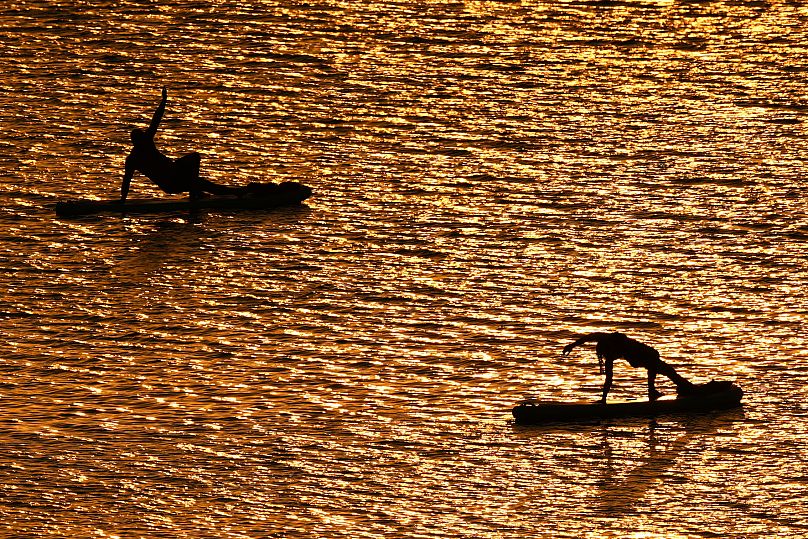
The foundation of all forms of yoga consists of postures called asanas, ranging from soothing ones such as the child’s pose to more dynamic moves like performing a handstand scorpion. However, due to numerous varying terminologies and styles, newcomers might find themselves navigating through what feels like a confusing maze when trying to determine their starting point.
The one that suits you best is the ideal choice," stated Tim Senesi, a yoga instructor with 22 years of experience in California. "Various routes can lead to the same destination.
Below is an overview of several widely practiced types of yoga along with their varying degrees of intensity.
The hatha/yin yoga styles
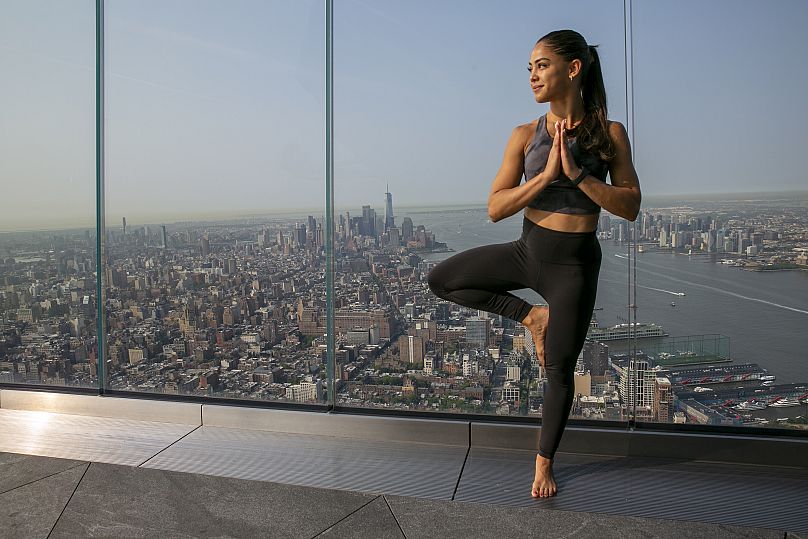
Although it can signify 'force,' hatha yoga is surprisingly mild and ideal for beginners. This form encompasses various types of yoga sessions that focus on the mentioned postures. Typically, such classes—and numerous others—often start with a sun salutation, which is essentially a basic series of 12 poses.
Hatha sessions typically focus on breathing techniques (pranayama). Each posture is maintained for several breaths, with slow transitions between movements, promoting greater relaxation along with enhanced flexibility and balance.
A different approach, known as yin yoga, places an even greater emphasis on rejuvenation through stretching the muscle tissues' connective fibers. Practitioners maintain each position for over five minutes, enabling the body to gently sink into the posture instead of exerting force.
The vinyasa/ashtanga styles
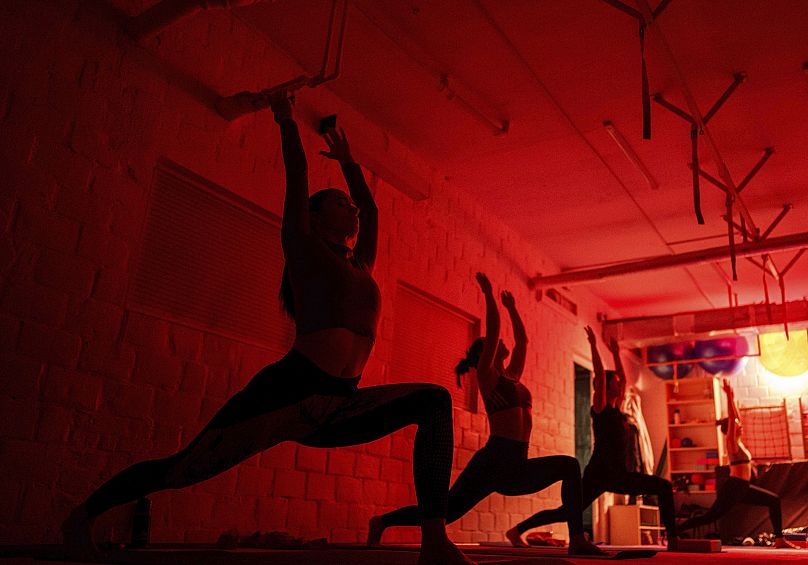
If you want to intensify your practice, vinyasa offers a dynamic style of yoga where movements flow smoothly from one pose to another, synchronized with breathing. In advanced vinyasa sessions, each posture transition typically corresponds to a single inhale or exhale.
These classes are commonly referred to as Flow or Power sessions and tend to suit individuals who are more athletically inclined. Even so, instructors advise these students to begin at an introductory level.
"I wouldn't necessarily recommend starting with an advanced Vinyasa Flow class since they won't possess the necessary foundational skills to execute movements safely," explained Anne Van Valkenburg from Lanai, Hawaii, who has spent 18 years training yoga instructors in various techniques.
Another style, ashtanga, is similar except that it involves a set series of poses that students repeat day after day, often going at their own pace. As students get stronger, they advance to a higher series with more challenging poses, something akin to belt levels in martial arts.
The Iyengar style
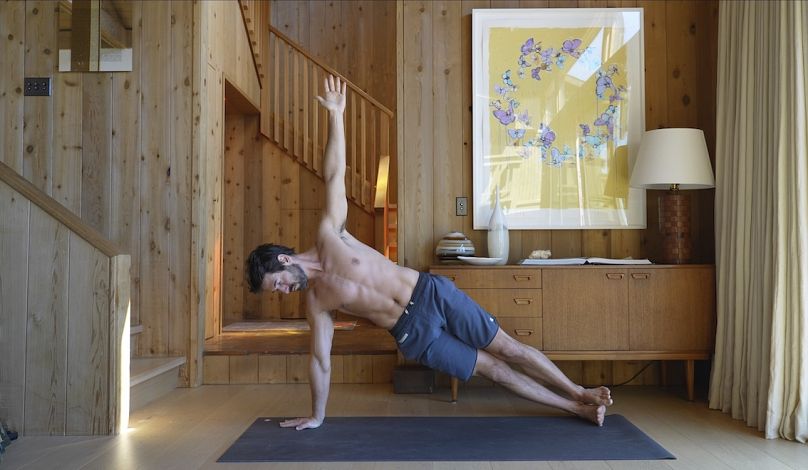
To reduce the tempo once more, Iyengar yoga includes the same postures as vinyasa but performed at a slower rate—though this does not diminish its challenge.
More emphasis is placed on the accuracy of each posture and adjusting bodily components through minor tweaks. Asanas are maintained for extended periods, with greater dependence on aids such as pillows, blocks, or belts.
This approach offers a deeper basic comprehension of yoga, making it ideal for beginners or individuals who are recuperating from injuries.
One last point to keep in mind
Many yoga instructors combine different styles in their sessions, often without explicitly using these specific names. Although class descriptions can provide some insight into what you might encounter, feel free to inquire further with the teacher if you require additional information.
Start with beginner series initially, but do not fret if you cannot locate one nearby; many instructors are willing to adapt their teaching methods to suit various skill levels. The crucial aspect is to dive in and continually experiment with different styles until you find one that connects with you.
I get melancholic when somebody gives up on yoga after one or two attempts and concludes, 'Meh, not my cup of tea,'"Van Valkenburg stated. "With myriad options available, you could be overlooking something incredibly advantageous for your well-being.
From the serenity of our lotus stance, namaste.