Gen-Z Pledges: No Social Media for Their Kids

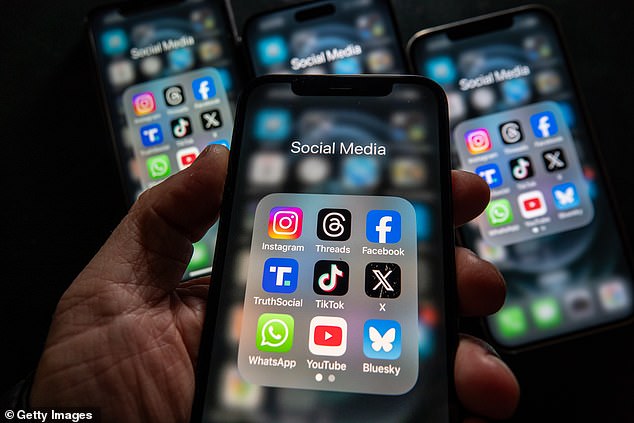
Generation Z members are growing increasingly disenchanted with social media, and a recent survey reveals that four out of five pledge not to allow their future children to use it for as long as they can prevent it.
Among those between 16 and 24 years old, half express frustration with the amount of time they spent on phones during childhood, and one-third believe they should have postponed using online platforms.
Generation Z, comprising individuals born from 1996 to 2010, are the first cohort to have been immersed in the digital age from early childhood.
Luke Tryl, who leads the polling firm More In Common and conducted the study, commented, "A significant number of Generation Z individuals in Britain express remorse for the time they invested in using their gadgets."
The call for the government to step up efforts in safeguarding children from the adverse effects of social media extends beyond just young Britons and encompasses the general public as well.
The research, involving over 1,600 young adults and conducted alongside the think tank The New Britain Project, revealed that seven out of ten participants desire stricter regulations to protect youth.
Furthermore, social media was identified as the greatest detriment to the psychological well-being of adolescents.
At the same time, half of the respondents indicated that social media has deteriorated over the last five years, with around sixty-seven percent believing it has grown more unsafe.
Overall, women tended to have a more negative view of social media compared to men.
The study has been released as Members of Parliament get ready to discuss a private member’s bill introduced by Labour MP Josh MacAlister, which aims to enhance smartphone safety for kids.
The proposed Safer Phones legislation would require the government to develop a plan outlining research into how social media affects children. Anna McShane, director of The New Britain Project, stated: "These poll findings brook no ambiguity."
We oversee various sectors that present dangers to youth; why should social media be an exception? By not taking action today, we risk disregarding the concerns of the same generation that has experienced these issues firsthand.
The findings from this study align with recent polls conducted by Girlguiding, the United Kingdom’s biggest youth organization, which revealed that over twenty-five percent of teens have encountered a sexually altered deepfake involving a celebrity, peer, or educator.
Deepfakes are visuals or moving pictures created through artificial intelligence technology that utilizes the facial features of actual individuals.
About 58 percent of 13-year-olds reported being aware of deepfakes, with this figure increasing to 62 percent among all teens. A representative from the Department for Science, Innovation and Technology stated, "Our commitment is to protect young individuals in digital spaces while allowing them to take advantage of new technological advancements."
'This summer, strong new safeguards for children will come into effect via the Online Safety Act, designed to shield them from damaging material and guaranteeing their online experiences are suitable for their age.'
The government’s reply to the private member’s bill will occur during the second reading of the legislation, adhering to the standard parliamentary procedure.
Read more