From Anorexia Warrior to Fitness Coach: My Journey

A woman who recovered from anorexia has become a fitness coach to help inspire other women grappling with their body image.
Tia Ainsworth, who is 23 years old, stated that several years of her life were stolen from her after she developed an eating disorder at the age of 18. Covid-19 lockdown .
When her illness was most severe, Tia mentioned that she was too frail for physical activity. However, as she began to recover and regain strength, she decided to hire a personal trainer. This decision transformed her perception of her own body.
Although her progress isn't straightforward, Tia mentioned that she now exercises to build strength rather than reduce size. She expressed gratitude towards weightlifting for helping her "feel like herself" once more.
Tia, who hails from Rhos-On-Sea in Conwy, referred to her recovery process as "without a doubt the most challenging endeavor" she has undertaken in her lifetime.
During the lockdown when gyms were closed, Tia mentioned that she missed the endorphin boost from working out and turned to food as an attempt to regain control.
She stated that it consumed her entire life and transformed her into an empty vessel. She continued, saying, 'I was not the Tia everyone was familiar with; it was an incredibly difficult period for both me and my family.'
Tia reached her limit when the lockdown eased, revealing an overwhelming sense of losing control over her ability to interact socially.
Tia mentioned that it would frustrate her so much that it made her cry, and she resolved that enough was enough.
Once Tia felt both physically and mentally prepared for her rehabilitation, she chose to resume exercising with the assistance of a personal trainer. She mentions that this trainer redirected her mindset from focusing solely on calorie burn to developing muscles and overall strength.
After almost five years of recovery, Tia said she finally like she has her life back.
"During my eating disorder I exercised for all the wrong reasons... to be the smallest possible version of myself", said Tia.
Now, however, I view exercise as a means to become stronger, more self-assured, and as a way to experience that sense of well-being.
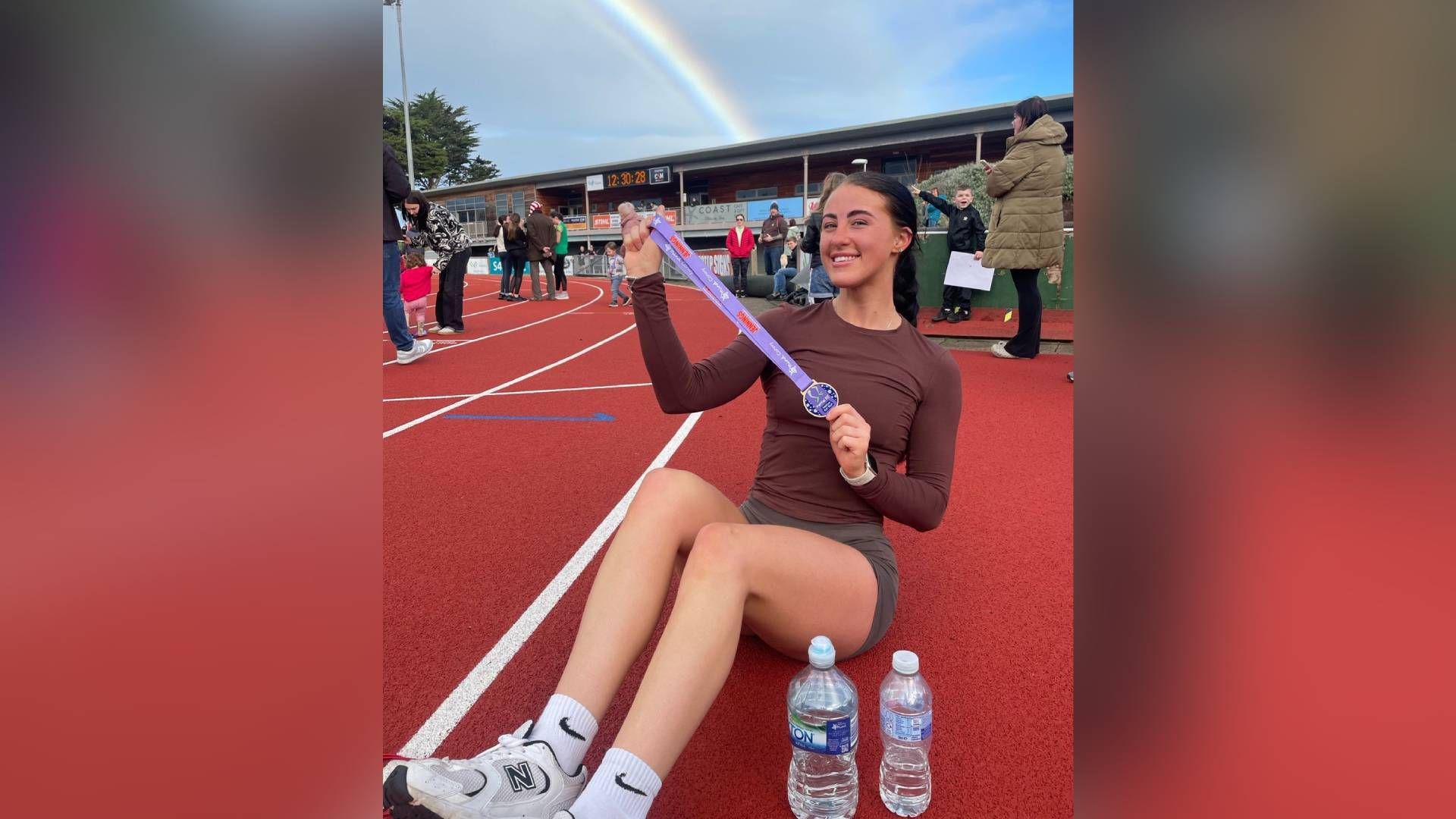
For the last four years, with assistance from her personal trainer, Tia has become a certified fitness coach and utilizes her Instagram presence to motivate others by sharing her challenges openly.
Anorexia nervosa , also known as anorexia, is an eating disorder and a severe mental health issue that may lead individuals to restrict their food intake or fluid consumption. Those affected frequently possess a skewed perception of their own body shape.
The NHS states that both men and women from any age group can develop anorexia; however, it was most prevalent among young females and usually began during their teenage years around the mid-teens.
Currently working with clients who have anorexia, Tia said she thinks her story has "given them a glimpse of hope that recovery is possible".
Tia classes herself as a "confidence coach" above all, and said exercise for her now is about making herself feel good rather than look good.
Even if you're in the finest physical condition of your existence, it won't matter much if you're unhappy.
I primarily want to demonstrate how weightlifting has benefited me and can assist other women—both physically and mentally.
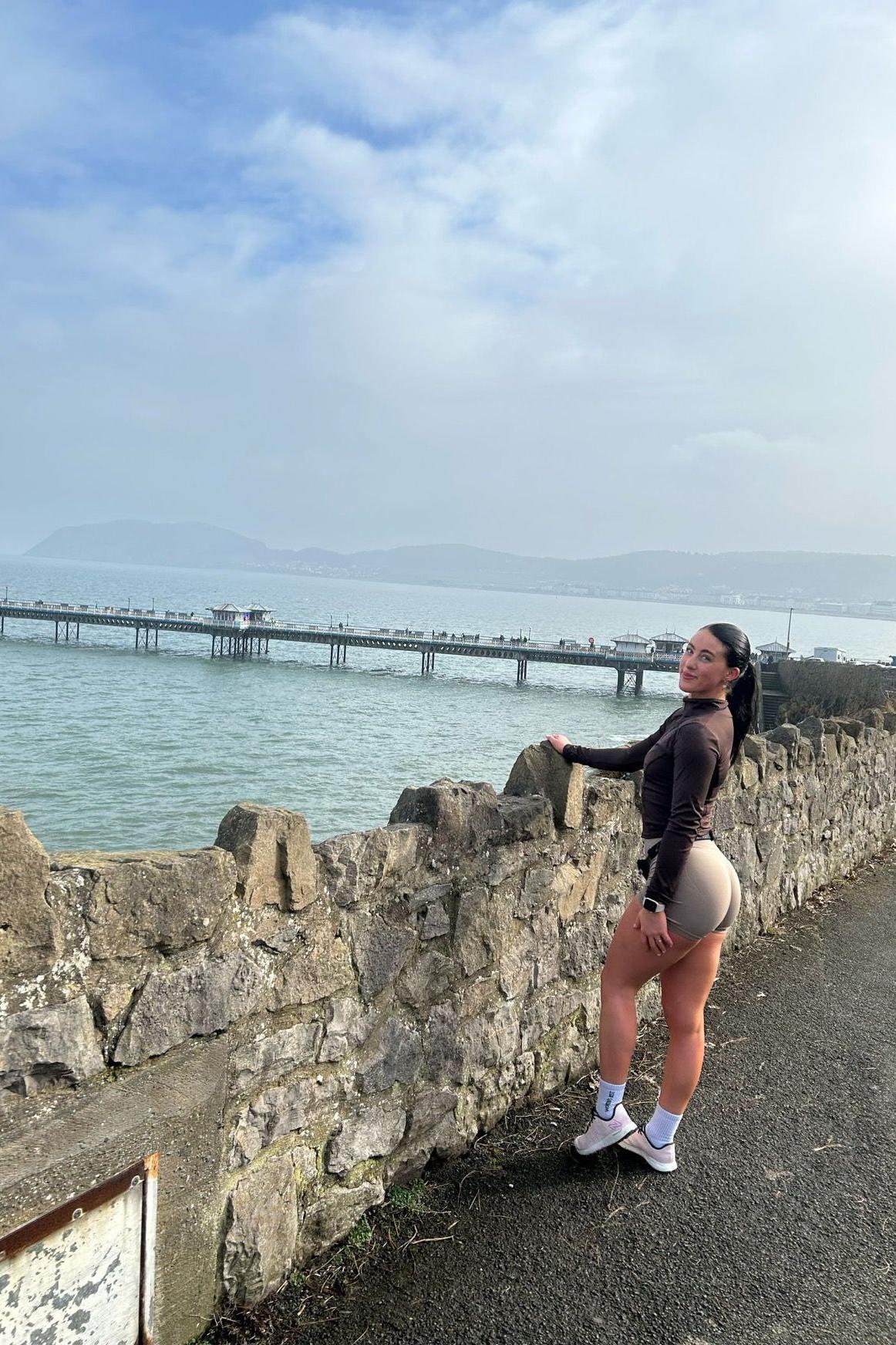
Dr. Hester Hockin-Boyers, a sport and exercise professor from Durham University, has investigated how women at different stages of recovery utilize weightlifting as a method to address their eating disorders.
Her findings revealed that various lifting techniques altered participants' viewpoints on workouts, shifting their mindset from concentrating on limitations and reducing size to prioritizing the acquisition of strength and muscle mass.
"This shift was crucial in fostering a healthier relationship with their bodies," said Dr Hockin-Boyers.
She stated, "Weightlifting offered a structured feeling that numerous women linked to sensations of 'calm' and 'safety,' aiding them in integrating physical activity into their routines more effectively."
Structured workout routines also emphasized the importance of rest days, she explained, which were crucial in ensuring that exercise did not become an obsession or compulsion.
She discovered that numerous participants developed a robust sense of community through weightlifting, offering them social support during their recovery process.
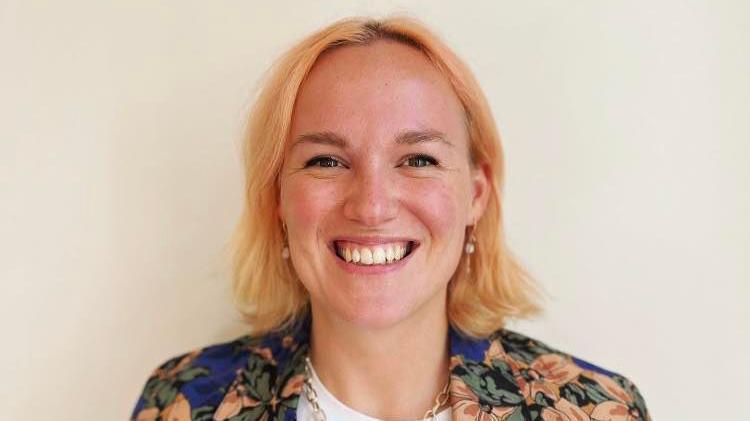
The eating disorders charity Beat stated that a healthy connection with physical activity could be achievable for individuals who have recovered from an eating disorder as they progress significantly farther on their road to recovery; however, they acknowledged that this dynamic remains highly intricate and multifaceted.
Umaira Malik, who serves as Beat’s clinical and co-production manager, stated that although everyone might not face difficulties exercising due to their condition, "it's crucial to be aware of certain indicators that may point towards an unbalanced approach to physical activity."
Ms Malik indicated that the indicators might consist of:
- Working out when sick or during an injury
- Working out to offset food consumption
- Becoming so fixated on working out that you end up skipping social gatherings as a result.
For individuals in recovery who wish to engage in physical activity, Beat suggests scheduling routine consultations, maintaining frequent communication with healthcare providers, and thoughtfully considering the motivations behind their desire to work out.
Indications and manifestations of anorexia
- If you're younger than 18 years old, having a weight and height below the lowest acceptable levels for your age could be an issue.
- If you're an adult with a BMI that's unexpectedly low, skipping meals, or consuming very small quantities of food,
- Frequently contemplating meals and being highly selective with your diet, particularly steering clear of items you consider unhealthy or weight-gain inducing.
- Thinking you're overweight when your weight is actually normal or below normal
- Your menstrual cycles ceasing (among those who haven’t gone through menopause) or failing to begin (in adolescent females and young women)
- Physical problems, such as feeling lightheaded or dizzy, hair loss or dry skin
Source: NHS
If you or someone you know has been impacted by any of the topics discussed in this article, assistance and support can be found here. Action Line .
- A woman needed to travel 400 miles from her home for treatment of anorexia.
- A woman whose stomach was paralyzed was mistakenly told she had anorexia.
- I believed I wasn't underweight enough to qualify for assistance with an eating disorder.
- A woman passed away due to pneumonia, which was caused by anorexia.
- My mother helped save me during anorexia treatment.
- Holiday-themed social media updates assist teenager in combating anorexia