3 Healthiest Ways to Cook and Enjoy Eggs

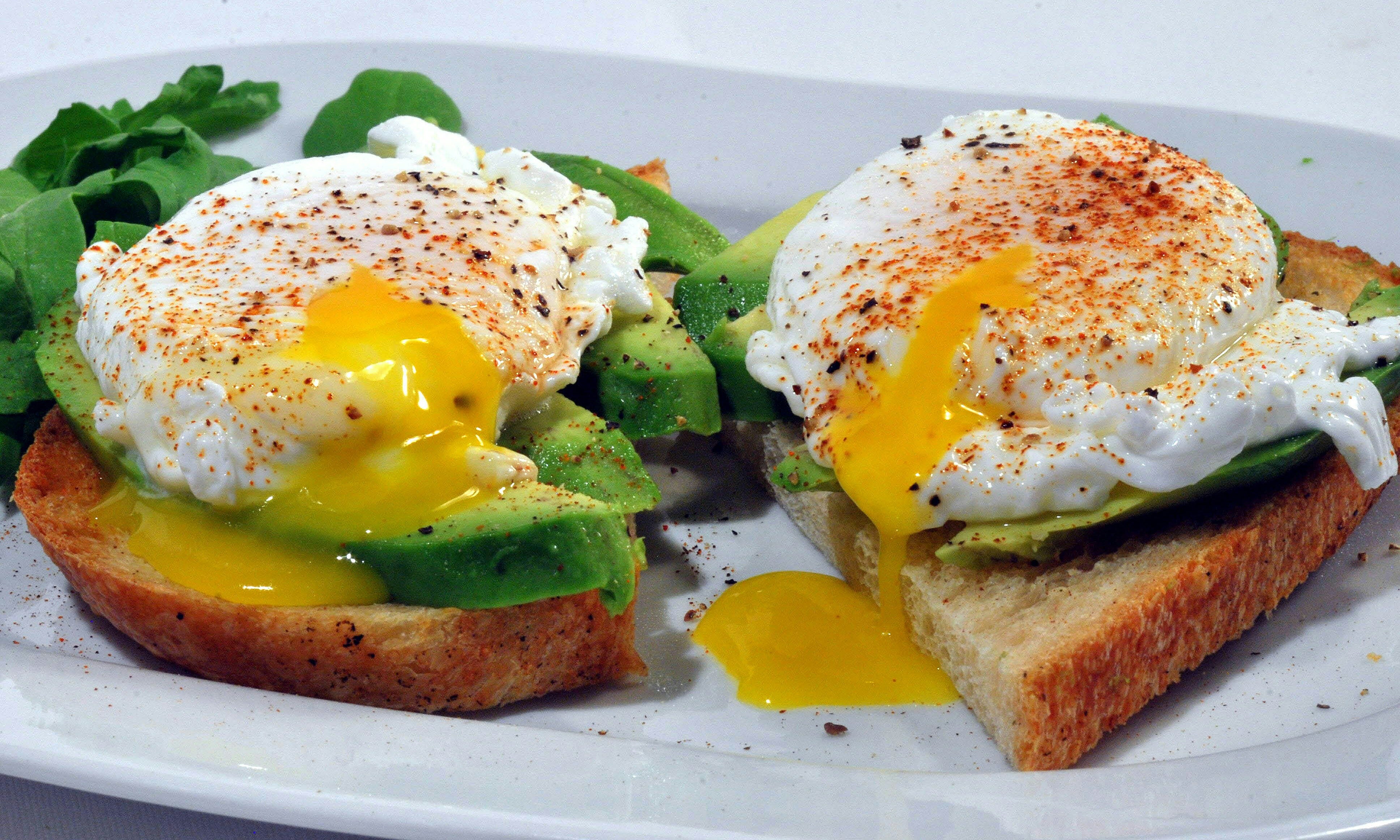
Cooking eggs through poaching or boiling are techniques that most effectively retain their nutritional content, encompassing proteins, vitamins, minerals, beneficial fats, and numerous micronutrients.
Healthline Reports indicate that heating eggs renders their proteins more easily digestible because heat alters their structure. As a result, cooked eggs enable the body to utilize approximately 91% of the protein content, whereas only about 51% of the protein can be absorbed from raw eggs. Additionally, cooking diminishes the impact of avidin—a protein found in egg whites that attaches to biotin (a form of vitamin B7)—thus increasing the availability of biotin for absorption.
Nonetheless, the nutrient profile of eggs can vary considerably based on how they are prepared. Cooking eggs at high temperatures over long durations might diminish their levels of vitamin A and antioxidants. This process could also cause the cholesterol in the egg yolks to oxidize, producing oxysterols—substances associated with a heightened chance of developing heart problems.
Despite this, eggs remain a highly nutritious food source, and moderate cooking is unlikely to significantly diminish their health benefits.

|
|
Toasts served with avocado and poached eggs. Illustration photo by Unsplash |
Below are three methods for preparing eggs that help retain their nutrients best:
1. Boiling
Cooking boiled eggs requires placing them in their shells into simmering water for 6 to 10 minutes, varying with your preference for yolk consistency. WebMD note that hard-boiled eggs are satisfying and have fewer calories, which makes them perfect for weight management .
2. Poaching
This delicate technique requires gently poaching eggs in water kept at a temperature of 160–180°F (71–82°C) for approximately 2.5 to 3 minutes.
According to The Times of India Poached eggs retain the original taste and nutrients of the eggs while reducing calorie and fat consumption. Additionally, they are simpler to digest, which makes them an excellent option for individuals with delicate stomachs.
3. Frying
Cooking eggs in a frying pan is also widely favored. This technique requires breaking the eggs directly into a heated skillet layered thinly with cooking oil, offering different preparations like "sunny side up" or "over easy."
While fast and convenient, frying can add extra fats to your meals and might influence the cholesterol content of egg yolks when prepared at elevated temperatures. To make a more health-conscious choice, opt for cooking oils that remain stable under high heat conditions, such as avocado or sunflower oil, during the frying process.
To maximize the health benefits of eating eggs Consider combining eggs with veggies to boost the fiber and additional nutrients in your dish. Opting for premium egg options like pasture-raised or organic can enhance nutritional value, and it’s advisable to avoid overcooking them to preserve nutrients and decrease the creation of potentially damaging oxidized cholesterol compounds.